Your Guide to Future-Proof Infrastructure

Learn how to accelerate infrastructure delivery, enforce standards, and scale with confidence

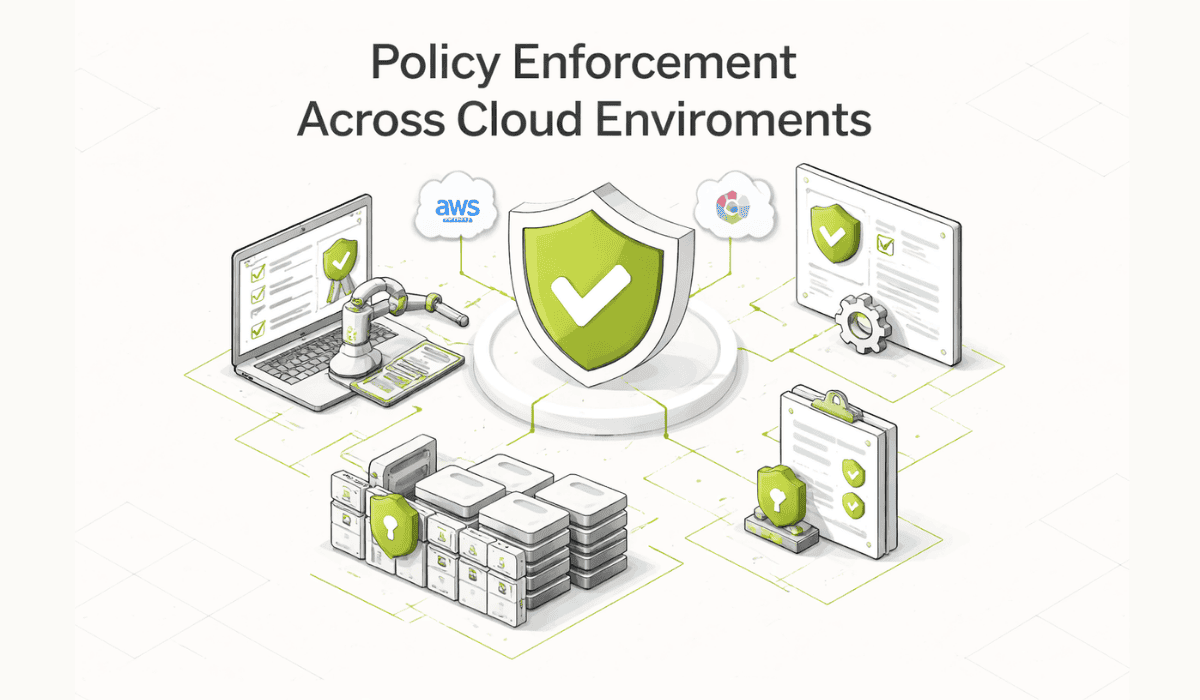
Policy Enforcement Across Cloud Environments

Policy enforcement across cloud environments means making sure all teams follow the same rules for security and usage. Without it, risks and inconsistencies can grow. Env Zero helps apply and manage policies automatically across all environments.

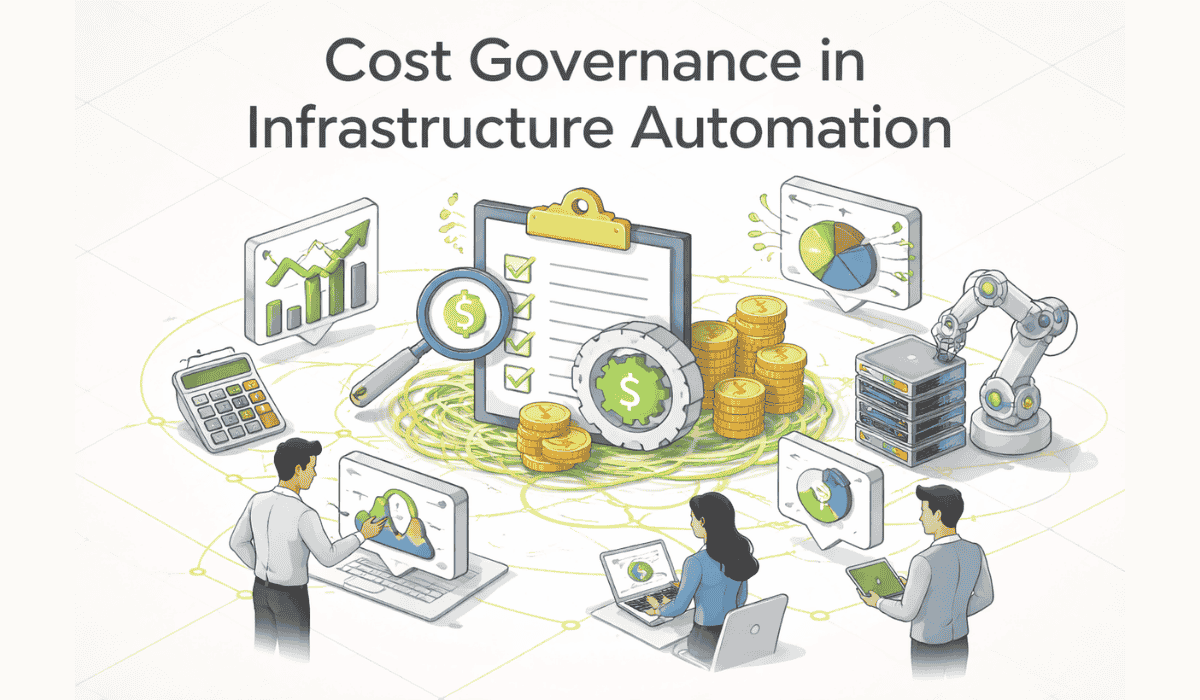
Cost Governance in Infrastructure Automation

Cost governance in infrastructure automation means keeping cloud spending under control while systems run automatically. Without proper checks, costs can grow quickly. Env Zero helps manage this with smart rules, visibility, and automation.

Cloud Risk Management for Platform Teams

Cloud risk management for platform teams focuses on keeping cloud environments secure, controlled, and cost-efficient as teams scale. Without proper visibility and governance, risks like security gaps and overspending can increase. Env Zero helps solve this with automation, clear policies, and better control.

Why Governance Fails in Multi-Team Cloud Environments

When multiple teams use the cloud without clear rules, it creates confusion, security risks, and higher costs. Governance fails due to lack of standards, control, and communication between teams.

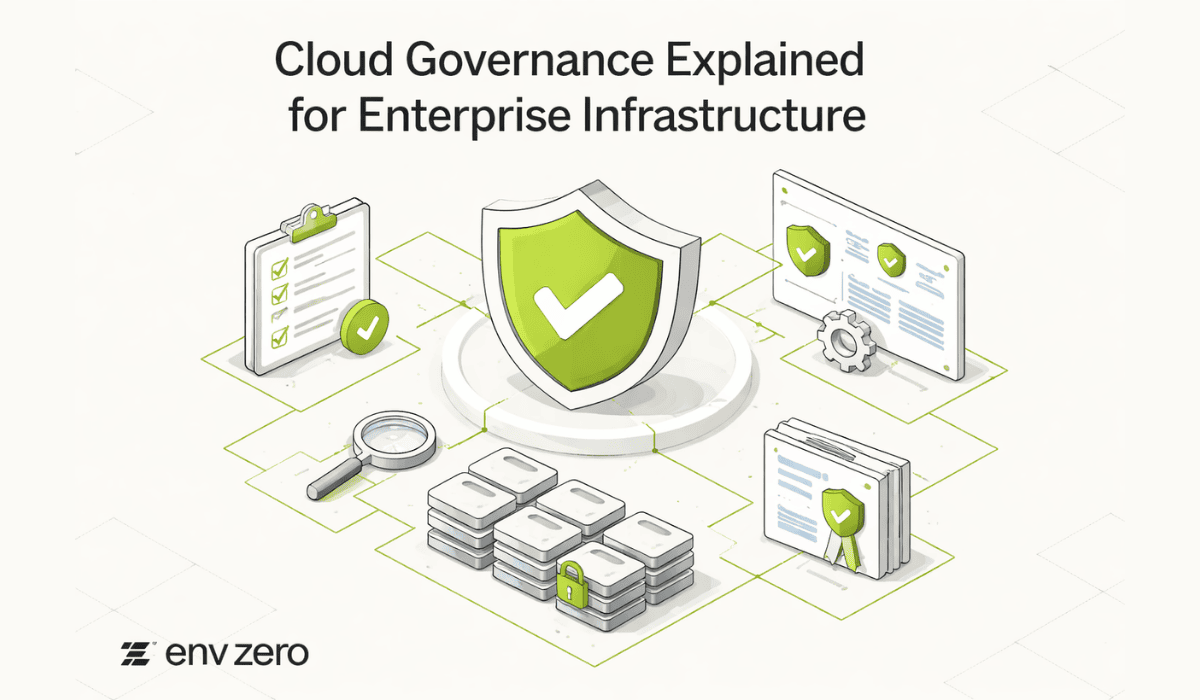
Cloud Governance Explained for Enterprise Infrastructure

Cloud governance ensures your enterprise infrastructure remains secure, compliant, and efficient. By implementing clear policies and strategies, it helps manage resources, reduce risks, and optimize performance across your cloud environment.

Rollback Control Framework: Ensuring Reliable Recovery Across Infrastructure Deployments

This guide explains how a Rollback Control Framework helps infrastructure teams recover quickly and reliably from deployment failures. By combining Infrastructure as Code (IaC), automation, and governance practices, organizations can reduce downtime, improve resilience, and maintain scalable infrastructure delivery while optimizing cloud costs and minimizing operational risk.

Deployment Lifecycle Governance Framework: Structuring Control Across Infrastructure Workflows

This guide explains how to implement a Deployment Lifecycle Governance Framework to control infrastructure workflows from planning to monitoring. By combining Infrastructure as Code (IaC), policy-as-code, and cloud cost governance, organizations can enforce compliance, improve reliability, and enable scalable infrastructure delivery while optimizing cloud spending.

Why Audit Trails Matter in Deployment Automation: Ensuring Transparency, Security, and Control

This guide explains why audit trails are essential in deployment automation for maintaining transparency, security, and control. By leveraging Infrastructure as Code (IaC), policy-as-code, and cloud governance, organizations can track every deployment action, reduce risks, improve compliance, and optimize infrastructure performance at scale.

Release Controls for Infrastructure Teams: Ensuring Reliable, Secure, and Scalable Deployments

This guide explains how release controls help infrastructure teams manage deployments with consistency, security, and scalability. By integrating Infrastructure as Code (IaC), policy-as-code, and automated workflows, organizations can reduce deployment failures, enforce compliance, and optimize cloud costs while enabling efficient and controlled infrastructure delivery.

How Environment Drift Impacts Deployment Quality: Risks, Challenges, and Solutions for Platform Teams

This guide explains how environment drift affects deployment quality, causing failures, inconsistencies, and security risks. It outlines key causes of drift and provides actionable solutions using Infrastructure as Code (IaC), automation, and cloud governance. By implementing drift detection, policy-as-code, and standardized workflows, organizations can improve reliability, reduce cloud costs, and maintain scalable infrastructure delivery.

Pipeline Visibility for Platform Teams: Improving Control, Speed, and Reliability Across Deployments

This guide explains how pipeline visibility enables platform teams to monitor, control, and optimize infrastructure delivery. By combining Infrastructure as Code (IaC), automation, and cloud governance, organizations can reduce deployment bottlenecks, improve reliability, enforce compliance, and optimize cloud costs while scaling infrastructure operations efficiently.

Approval Pipelines in Infrastructure Delivery

Speed without oversight creates risk — and that's exactly the problem approval pipelines solve. This article explains how approval pipelines fit into modern infrastructure delivery, why they're essential for governance, security, and compliance at scale, and how to implement them effectively. From customizable approval rules and CI/CD integration to escalation paths and audit logging, it covers everything platform teams need to balance developer autonomy with organizational control.

Rollback Automation for Enterprise Infrastructure

Failed deployments are inevitable — how fast you recover is what matters. This article covers rollback automation for enterprise infrastructure: what it is, why it's essential, and how to implement it effectively. From CI/CD pipeline integration and version control to environment-specific rollbacks and automated health checks, it gives platform teams a practical framework for minimizing downtime and maintaining operational continuity when things go wrong.

What Enterprise Teams Need From Deployment Automation

Deployment automation isn't just about moving faster — for enterprise teams it's about doing so reliably, securely, and at scale. This article breaks down the six core requirements enterprise teams have from deployment automation: speed and efficiency, consistency, security and compliance, cost management, visibility, and scalability — along with practical steps for addressing each through standardized pipelines, IaC, automated testing, and policy enforcement.

Why Deployment Pipelines Break at Scale

What works for a small team falls apart at scale. This article breaks down the seven most common reasons deployment pipelines fail as infrastructure grows — increased complexity, tool integration challenges, version control gaps, resource limitations, manual intervention, inadequate testing, and dependency management failures — and outlines practical solutions for each, showing how automation and the right platform keep pipelines stable and efficient at scale.

Full Deployment Lifecycle Automation Explained

Manual deployment processes can't keep up with the speed modern platform teams require. This article breaks down Full Deployment Lifecycle Automation — what it is, how CI/CD pipelines, Infrastructure as Code, automated testing, and Policy-as-Code work together, and why automating every stage of deployment is essential for reducing errors, ensuring consistency, and maintaining security and compliance at scale.

Why Internal Service Catalogs Improve Infrastructure Delivery

Without a service catalog, infrastructure delivery becomes fragmented, inconsistent, and hard to govern. This article explains how internal service catalogs give developers a structured, self-service interface to provision resources quickly — while platform teams maintain control through built-in policies, templates, and cost guardrails. The result is faster delivery, stronger governance, and a better developer experience across the board.

Approval Automation for Platform Teams: Where to Start

Manual approval workflows don't scale. As infrastructure demand grows, they become bottlenecks that slow delivery and frustrate developers. This article walks through what approval automation actually means, how policy-driven workflows maintain governance without manual overhead, and where platform teams should start — from identifying friction points to defining the right policies and integrating automation into existing pipelines.

Why Templates Matter in Self-Service Infrastructure

Templates are the backbone of scalable self-service infrastructure. Without them, developer autonomy leads to inconsistency, configuration drift, and governance gaps. This article breaks down how standardized infrastructure templates embed best practices, reduce errors, accelerate provisioning, and enforce governance automatically — helping platform teams scale without losing control.

How Self-Service Infrastructure Improves Platform Engineering ROI

Platform engineering ROI depends on more than cost savings — it requires speed, adoption, and governance working together. This article explores how self-service infrastructure eliminates ticket-based bottlenecks, improves developer productivity, and enforces compliance automatically, turning your internal platform into a strategic business asset.

How Platform Teams Create Developer Autonomy Without Losing Control

Platform teams enable developer autonomy by providing self-service tools, templates, and automation, while enforcing governance through policies and guardrails. This balance removes bottlenecks, improves developer experience, and ensures secure, consistent, and scalable infrastructure.

Policy Guardrails Explained for Infrastructure Automation

Policy guardrails are automated rules that enforce security, compliance, and cost controls in infrastructure workflows. They replace manual governance with scalable, policy-as-code enforcement, allowing teams to deploy faster while maintaining control. Result: secure, consistent, and scalable infrastructure automation.

Why Golden Paths Matter in Modern Platform Engineering

Golden paths are standardized workflows that guide developers to build and deploy applications using best practices. They reduce complexity, improve consistency, and speed up development while maintaining governance. Result: better developer experience, faster delivery, and scalable platform operations.

Infrastructure Self-Service vs Ticket-Based Provisioning: Which Scales Better?

Ticket-based provisioning is manual and slows teams down with approvals and bottlenecks. Self-service infrastructure is automated, faster, and scalable with built-in governance. Result: self-service enables speed, consistency, and better developer productivity.

What Is Self-Service Infrastructure With Guardrails? A Practical Guide for Platform Teams

Self-service infrastructure with guardrails lets developers manage infrastructure independently within predefined rules for security, compliance, and cost. It removes bottlenecks, improves speed, and maintains control through policies, automation, and standardized workflows. Result: faster delivery, better developer experience, and reliable, governed cloud operations.